Rubber Ducks and Tea Mugs
4 min read
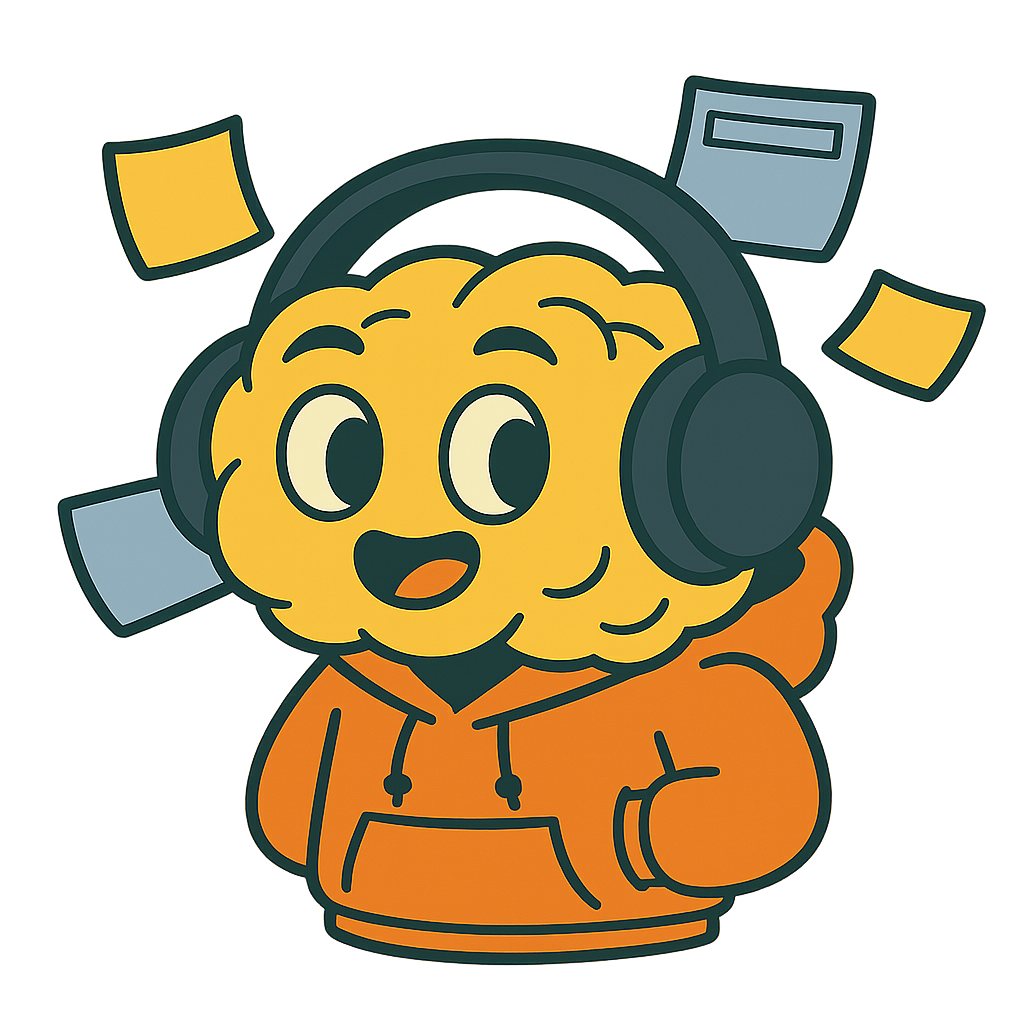
Buffer:
If my brain had a start button, it would definitely be a coffee mug with googly eyes.
Intro
Sometimes the smartest thing on your desk isn’t your laptop. It’s the rubber duck that silently judges your spaghetti code.
Or that tea mug you refuse to wash because somehow the flavor of "three-day Earl Grey" feels like focus fuel.
Neurodivergent brains don’t just flip into work mode because a calendar says so. We need rituals. Weird, tiny, borderline-silly rituals that whisper, “hey brain, it’s coding time.”
Maybe it’s blasting the same lo-fi playlist on loop until your neurons finally agree to cooperate. Maybe it’s flicking on a desk lamp like you’re about to perform live theatre for your Git commits. Or maybe it’s spinning once in your chair before you dare open your terminal.
None of it has to make sense to anyone else. If it makes your brain believe focus is possible, then congratulations—you’ve found your ritual.
The strange little rituals that trick our brains into focus and ease
Why Rituals Feel Like Cheats Codes
Rituals aren’t just habits. They’re like secret handshake codes between you and your brain. For a lot of us, focus doesn’t appear out of thin air. It needs a cue. A little nudge that says, "okay neurons, line up, we’re doing this."
That’s why the chipped tea mug works better than a brand new productivity system. Or why your duck, candle, or chair spin gets you into flow faster than any motivational quote on Instagram. It’s not discipline, it’s dopamine theater.
The Sensory Stage Lights
Think about how performers prepare before going on stage. They adjust the lights, take a breath, maybe hum a tune. Neurodivergent coding is weirdly similar.
Some of us light a candle because the smell says "safe zone." Some of us put on the same playlist every time we open VS Code. Others adjust their monitors like they’re setting up mission control for launch.
These aren’t quirks to hide. They’re stage lights for the brain. They signal: "showtime," without needing brute force willpower.
Micro-Rituals Beat Macro-Systems
Traditional productivity advice loves big systems: the five-step morning routine, the color-coded calendar, the perfect Pomodoro timer. But our brains usually rebel against the big stuff.
Micro-rituals are easier to keep alive. They can be as tiny as:
- Taking one sip of water before you type npm start.
- Changing your socks before opening Slack.
- Putting your phone upside-down like it’s "in jail." (Yeah it actually works)
These sound ridiculous. That’s exactly why they work. The smaller the ritual, the easier the brain buys into it.
Family Brain, Family Rituals
Rituals don’t just live at the desk. They bleed into family life too. Maybe your kid knows it’s focus time when you both set a timer and clap three times. Maybe your partner knows to bring you a snack when the lo-fi beats hit the second loop.
Even pets get in on it. A cat curling up by your keyboard is a ritual. A dog waiting for you to toss them a toy before your daily standup? Ritual. These little home signals make focus a family sport instead of a lonely battle.
Playful Anchors, Not Shackles
The beauty of rituals is that they don’t have to trap you. They’re not rigid rules. They’re more like loading screens that prep your brain. If one stops working, toss it out. Invent a new one.
Some weeks your ritual might be a candle and tea. Other weeks it’s spinning your chair like you’re rebooting your operating system. Both are valid. Both count.
Your Brain’s Personal Mythology
Over time, these rituals become part of your brain’s personal mythology. They’re weird stories only you understand, but they keep you moving. "The day I wore mismatched socks, I finally finished that feature." "The playlist with the Mario soundtrack got me through bug triage."
These aren’t random superstitions. They’re gentle scaffolding. They let a chaotic brain know: you're not broken, you just need a stage, some props, and a script only you can write.
The Takeaway
Rituals don’t fix everything. They won’t cure burnout or erase executive dysfunction. But they can smooth the edges. They can trick your brain into giving you a chance. And sometimes, that’s enough.
So the next time you reach for the same tea mug, or line up your rubber ducks, or light that same stubborn candle, don’t laugh it off. Smile and say: This is my brain’s start button.
Closing Thoughts
Rituals won’t write the code for you, but they can set the scene so your brain actually wants to show up. Whether it’s ducks, mugs, socks, or playlists, the point isn’t to be productive it’s to feel safe enough to begin.
So light the candle. Press play. Spin the chair.
Your weird little rituals are valid, and they just might be the thing that carries you through.
Until Next Time
Simen ✨
(Buffer waves with a half-finished coffee mug in hand.)
Your thoughts make this newsletter better.
Did something click? Was a concept confusing? Your feedback helps shape future issues for thousands of other neurodivergent devs. We read every single comment.
👏The Snacks
Pick one tiny ritual and make it your “ focus starter .” It can be as silly as turning on a desk lamp or sipping water before npm start . The brain loves repeatable cues more than complicated routines.
Lofi.cafe — a simple web player that loops calming beats without clutter. Great for anchoring a coding ritual without the YouTube rabbit hole.
In ancient Rome, people kept little household gods called Lares to protect the home. Neurodivergent devs keeping ducks, mugs, and plushies on their desks? Basically the same tradition, just with fewer togas.
You don’t need perfect discipline to start. Your rituals are enough. Your comfort is valid. You are allowed to code from a place of ease.